



The new Gen Z trend of ‘polyworking’ — juggling multiple jobs at once — is creating new cybersecurity challenges, as each additional role increases the risk of attacks on both individuals and corporate networks. From H2 2024 to H1 2025, Kaspersky detected over 6 million attacks disguised as work tools, along with scams posing as job offers on Indeed, Glassdoor, and similar platforms. To help Gen Z navigate in the digital environment, Kaspersky has launched “Case 404” — an interactive cyber-detective game that helps Gen Z recognize hidden online dangers and learn how to protect their digital lives.
For Gen Z, working one job is no longer the norm, it’s an exception. While the concept of juggling multiple jobs isn’t entirely new, this generation (born 1997–2012) is accelerating the trend of polyworking. The term refers to juggling multiple income streams simultaneously, combining freelance gigs, side hustles, passion projects, and part-time or full-time employment. According to public research, almost a half (48%) of Gen Z members already have a side job, which is the highest rate among all generations. But while polyworking brings autonomy, flexibility, and financial resilience, it also opens the door to new cybersecurity risks — many of which Gen Z may be unaware of.
Too many tools, too little control
Managing multiple job roles also means navigating an ever-expanding digital environment. Each additional role brings with it new inboxes, project management tools, communication platforms, and external contacts. For polyworking Gen Z users, this can result in dozens of apps and accounts operating simultaneously — from Microsoft Teams and Outlook, to Slack, Zoom, and Notion.
While these platforms are designed to streamline collaboration, they also dramatically widen the attack surface. Cybercriminals may take advantage of this complexity, launching phishing emails through compromised business accounts, embedding malware in fake calendar invites, or sending malicious links via chat apps disguised as legitimate coworker messages. The more tools in use, the harder it becomes to verify every interaction, creating the perfect conditions for social engineering and accidental breaches.
Between H2 2024 and H1 2025, Kaspersky experts detected 6,146,462 attacks disguised as platforms or content related to 20 popular work tools. The top targets were Zoom (3,849,489), Microsoft Excel (835,179), and Outlook (731,025), followed by OneDrive (352,080) and Microsoft Teams (151,845).
In one of the many scams uncovered by Kaspersky researchers, users were tricked into downloading a supposed Zoom update from a phishing page, which in reality was malware in disguise.
Example of a phishing page offering to download “the latest version of Zoom”
Job platforms
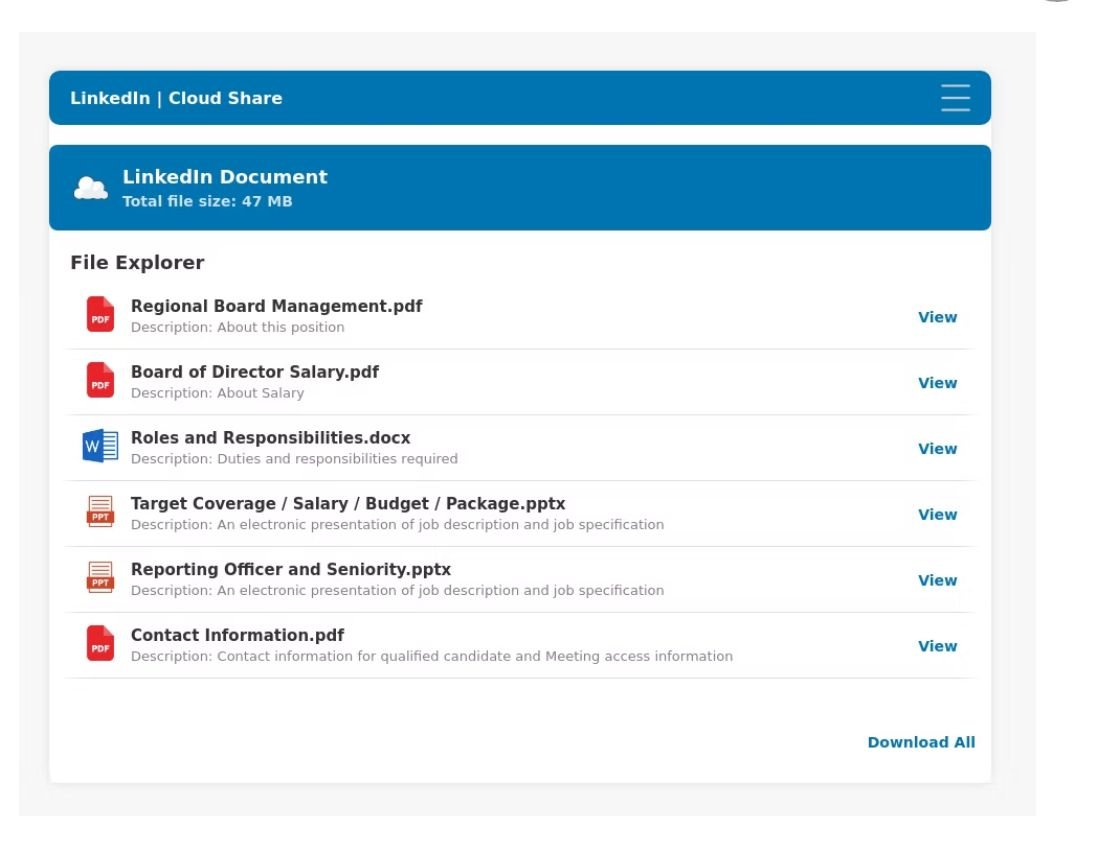
With the rise of so many new income platforms, alongside more traditional job search sites, there also comes an increased cybersecurity risk. As Gen Z explores opportunities across Fiverr, Upwork, Behance, LinkedIn, they are increasingly targeted by phishing schemes disguised as legitimate job offers. From July 2024 to June 2025, Kaspersky experts detected over 650,000 attempts to visit phishing pages disguised as LinkedIn alone. Cybercriminals can exploit the urgency and informality of freelance culture, sending fake recruitment emails, contract attachments, or messages with malicious links that promise “quick gigs” or “exclusive offers”.
The sheer volume of communication Gen Z receives across inboxes, messengers, and gig platforms widens the attack surface, making it easier for threat actors to slip through unnoticed. What might look like a promising freelance opportunity, may in fact be a trap designed to steal login credentials, deploy malware, or compromise payment information.
To access the files with a job offer, a user is asked to log in to LinkedIn – not on the official version, but on a phishing page
Poor password hygiene
Managing access to a growing number of platforms — ranging from project tools and gig marketplaces to payment systems and internal workspaces — often leads to shortcuts. In the rush to stay productive across multiple jobs, Gen Z workers may frequently reuse passwords or rely on simple, easy-to-remember combinations. While convenient, this practice dramatically increases the likelihood of account compromise. A single weak, or repeated password used across multiple roles can serve as a gateway for cybercriminals, allowing them to move laterally between accounts, steal sensitive information, or even launch further attacks using the victim’s identity.
Personal devices and shadow IT
The situation is further complicated by device usage. Many Gen Z polyworkers operate across multiple gigs using the same personal laptop or smartphone — without segmentation between their work and personal environments. This overlap makes it easy for sensitive client files or corporate credentials to be saved on unsecured devices or public cloud storage solutions like Google Drive or Dropbox.
In some cases, polyworkers also install unauthorized software or browser extensions to streamline their multitasking — a practice known as shadow IT. While helpful in the short term, these unauthorized apps may have vulnerabilities or operate with unclear data-sharing policies, increasing the attack surface across all jobs. The danger here isn’t limited to individual freelancers. One compromised account, such as a hacked Fiverr login or an email phishing incident tied to a side project, can cascade into much larger breaches if the same credentials are reused for corporate systems. For organizations hiring remote contractors or allowing BYOD (bring your own device) practices, this raises serious questions about endpoint security and credential management.
“When your calendar is packed with tasks from three different jobs and you have notifications coming in from five separate apps, and you’re also switching between client chats, invoices, and creative work on the same device — it’s only a matter of time before something slips. Gen Z’s work-life-tech overlap creates a unique kind of cognitive overload. This constant multitasking increases the risk of mistakes: sending a wrong file to a wrong client, overlooking a phishing email, misconfiguring access permissions. It’s not about carelessness — it’s about the sheer volume of digital demands pulling attention in all directions. And in cybersecurity, even one small lapse can have big consequences,” said Evgeny Kuskov, Security Expert at Kaspersky.
To help Gen Z navigate the digital risks that come with their multi-hustle lifestyle, Kaspersky has developed Case 404 — an interactive cybersecurity game where players step into the shoes of a digital detective. Designed specifically for Gen Z, the game simulates real-world scenarios they face daily. Through immersive storytelling and challenges inspired by phishing attacks and credential leaks, Case 404 helps players recognize cybersecurity threats and teaches them how to spot risks before mistakes happen.
To avoid falling a victim from cybercriminals, Kaspersky recommends to:
● Separate work and personal environments: Use different devices for personal and professional tasks to reduce cross-contamination risks.
● Watch out for fake tool updates: Download work tools like Zoom or Teams only from official websites or app stores from trusted developers — not from third-party links or emails.
● Use strong, unique passwords and avoid reusing passwords across platforms. Use a password manager to securely store and generate strong passwords.
● Avoid installing unofficial browser extensions or apps for productivity unless they’re verified and approved — especially on work-connected devices.
● Slow down when dealing with urgent messages or unfamiliar contacts. Phishing often thrives on rushed decisions.
● Enable multi-factor authentication (MFA), especially for email, cloud storage, and freelance platforms.
● Use a reliable security solution, like Kaspersky Premium, to detect malicious attachments that could compromise your data.
● Ensure secure browsing and safe messaging with Kaspersky VPN, protecting your IP address and preventing data leaks.